
Discover the Serene Beauty of Yellow Lake (Asfar Lake) in Al Ahsa, Saudi Arabia
Where Desert Meets Water
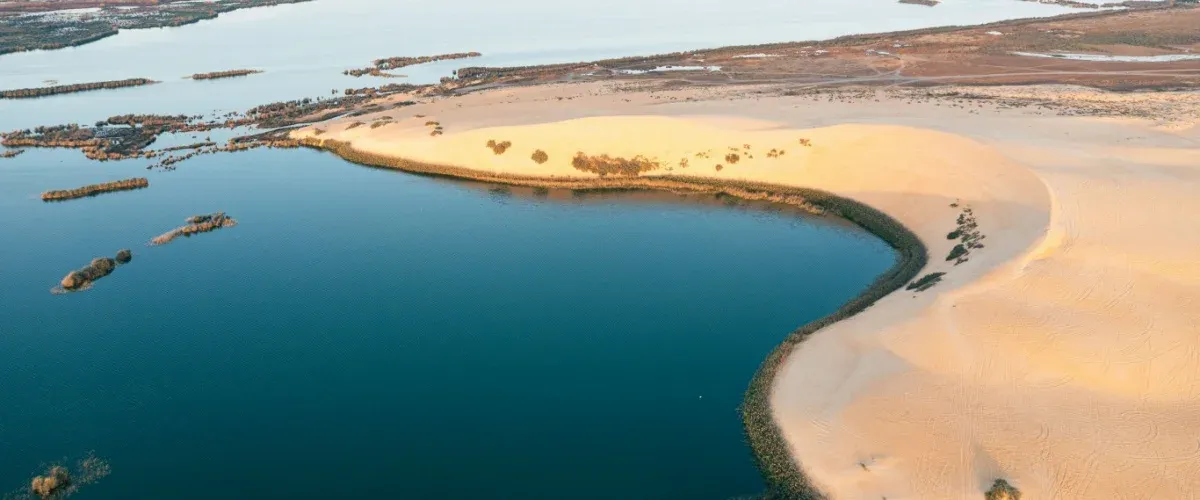
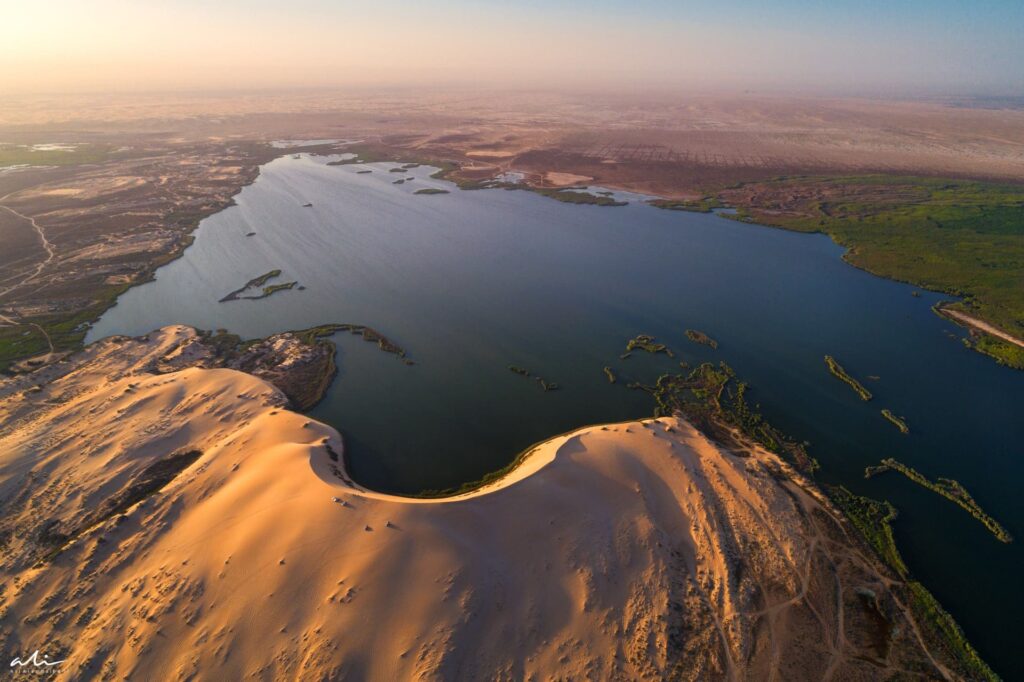
In the heart of the vast Arabian desert, where golden dunes stretch endlessly toward the horizon, lies a surprising and beautiful natural wonder — Yellow Lake, also known locally as Asfar Lake. This hidden oasis offers a striking contrast to the surrounding sands, creating a landscape that feels almost dreamlike. Calm waters shimmer under the sun, birds glide over the surface, and soft breezes ripple through the reeds, making it one of the most peaceful destinations in Al Ahsa.
For visitors exploring the Eastern Province of Saudi Arabia, Asfar Lake provides a refreshing escape from city life. It’s not just a scenic stop but a place where nature, wildlife, and relaxation come together. Whether you are looking for adventure, photography opportunities, or a quiet retreat, Yellow Lake promises an unforgettable outdoor experience.
A Natural Miracle in the Desert
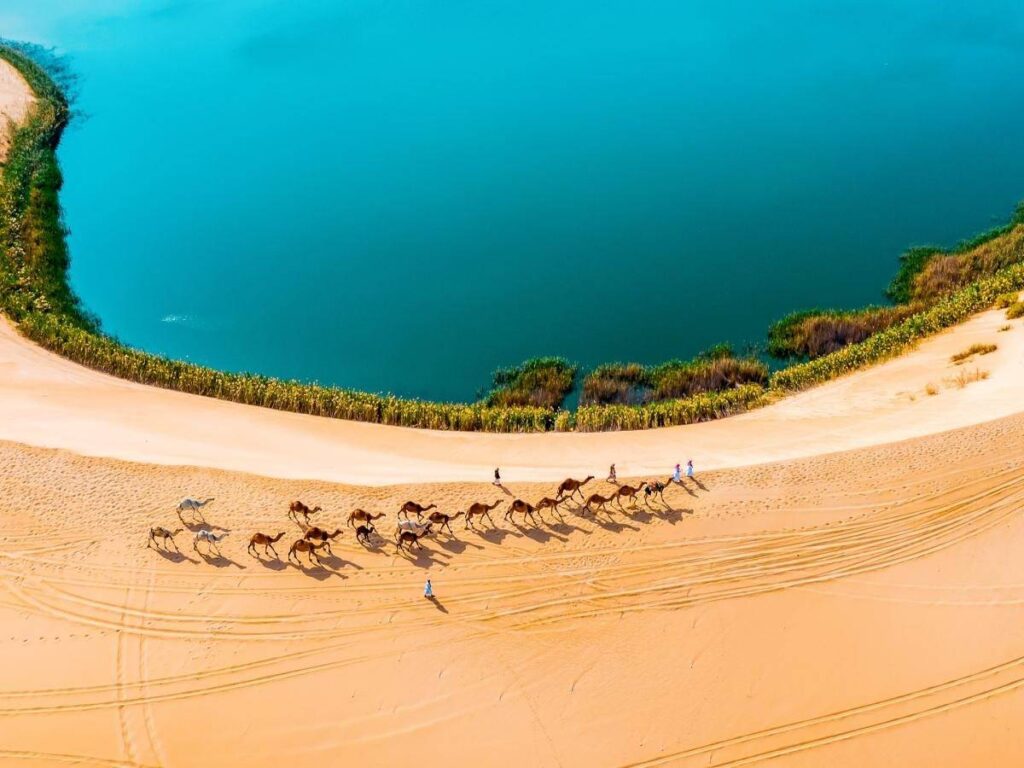
Yellow Lake formed naturally from excess agricultural drainage and underground water sources connected to the surrounding oasis. Over time, this water collected in low-lying desert areas, creating a wetland ecosystem that thrives amid the arid environment.
What makes the lake remarkable is its vibrant contrast. The deep blue and green shades of the water sit against warm golden sands and clear skies. From a distance, it almost looks like a mirage — yet it’s very real and surprisingly expansive.
Seasonal changes affect the lake’s size and shape, sometimes expanding after rainfall and shrinking during drier months. These natural variations add to its charm, ensuring that every visit feels slightly different from the last.
Despite being surrounded by desert, the lake supports reeds, grasses, and shrubs that attract wildlife and create a small but lively habitat.
A Haven for Wildlife and Birdwatchers
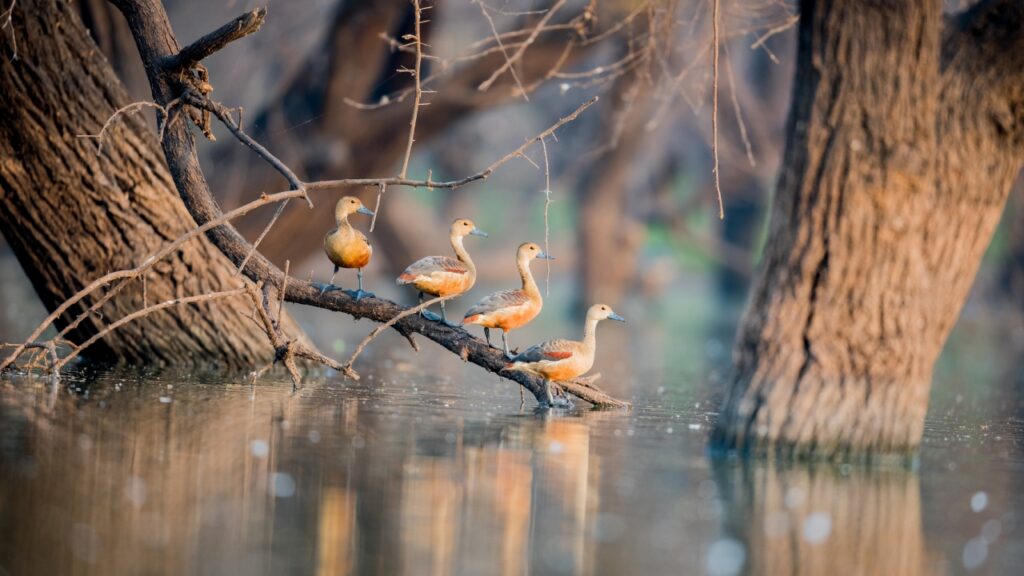
Asfar Lake has quietly become a paradise for birdwatchers and nature lovers. The wetlands provide food and shelter for many species of birds, especially migratory ones traveling between continents. During certain seasons, you may spot herons, ducks, flamingos, and other water birds resting near the shores.
The presence of these birds adds movement and life to the landscape. Watching them glide over the water or stand gracefully among the reeds is both calming and fascinating. For photographers, this is a golden opportunity to capture unique wildlife moments rarely associated with desert regions.
Small fish and insects also contribute to the ecosystem, helping maintain a delicate balance that sustains life in this unlikely environment.
This blend of desert and wetland ecosystems makes Yellow Lake one of the most unique natural attractions in the region.
Outdoor Activities for Every Visitor
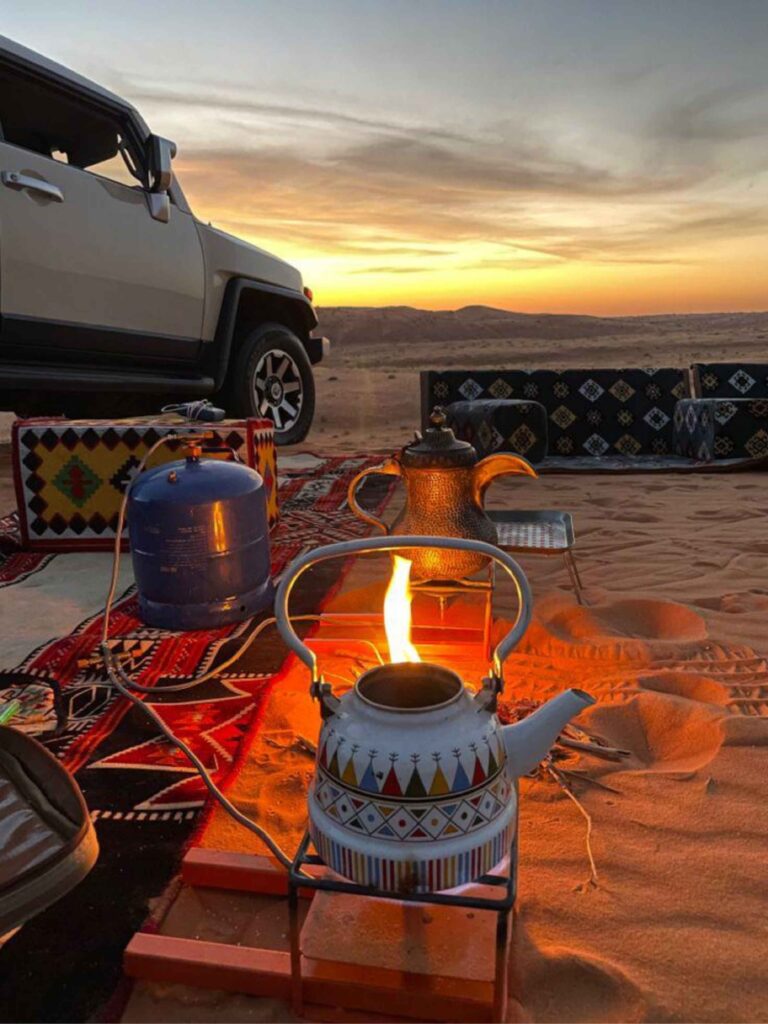
Beyond its natural beauty, Yellow Lake offers plenty of ways to enjoy the outdoors. Families often visit for picnics, spreading mats near the water and sharing traditional food and tea while children play nearby. The peaceful setting makes it ideal for relaxation and bonding.
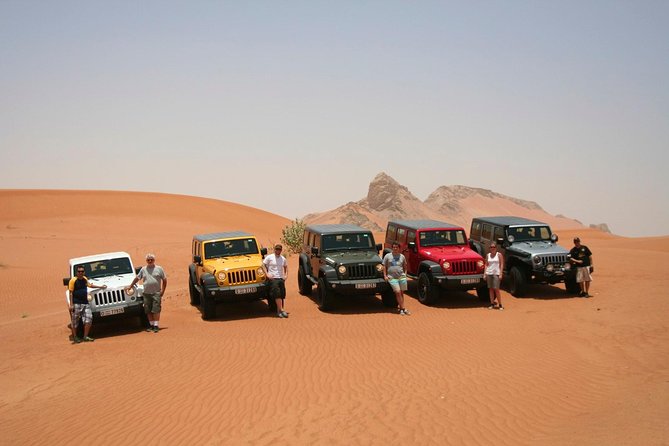
Adventure seekers are drawn to the surrounding sand dunes, which are perfect for off-road driving, dune bashing, and sandboarding. The combination of water and dunes creates a playground for both thrill-seekers and casual explorers.
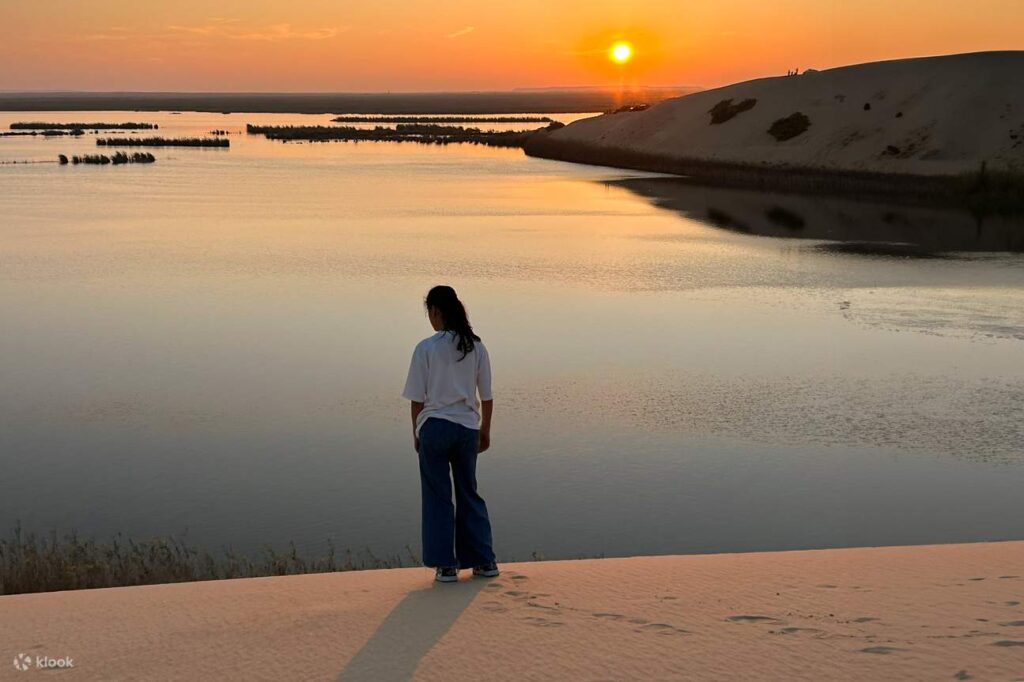
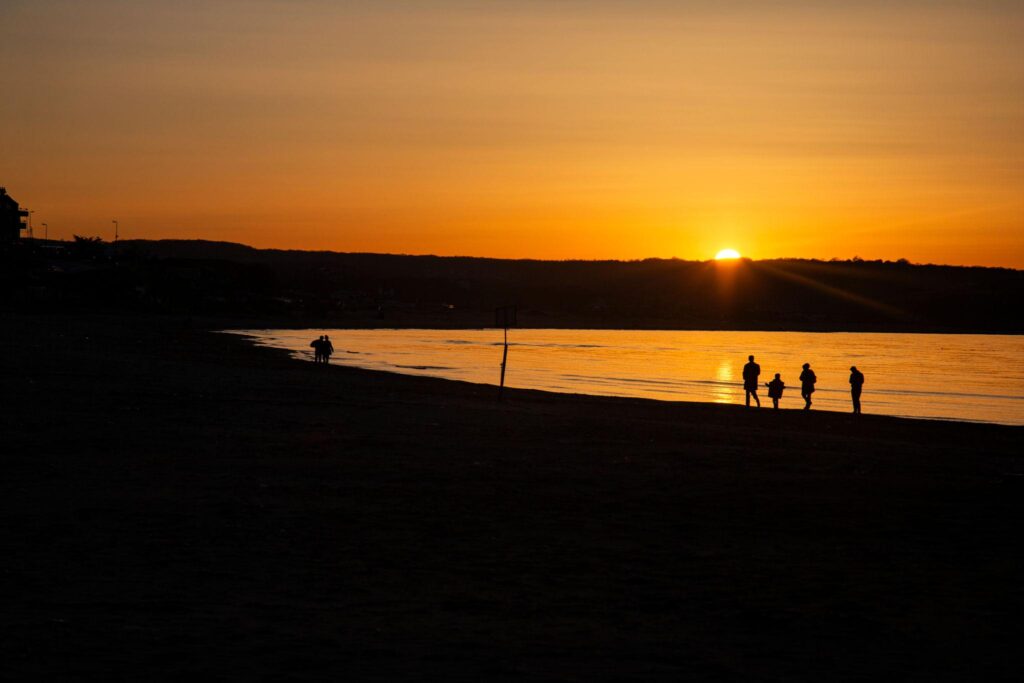
Walking along the shoreline during sunset is another favorite activity. As the sun dips below the dunes, the sky turns shades of orange, pink, and purple, reflecting beautifully on the lake’s surface. It’s a moment that feels almost cinematic.
Camping is also popular. At night, far from city lights, the stars shine brightly across the sky. Sitting around a small campfire with friends or family while enjoying the cool desert breeze creates memories that last a lifetime.
Close to the Heart of the Oasis
One of the best things about Yellow Lake is its location. It sits within the greater Al-Ahsa Oasis, one of the world’s largest natural oases and a UNESCO World Heritage Site. This means visitors can easily combine multiple attractions in one trip.
After exploring the lake, you can visit palm groves, natural springs, and historical landmarks nearby. This mix of nature and heritage makes Al Ahsa a diverse destination where each site offers something different yet complementary.
Yellow Lake adds a wild, untouched element to the oasis experience — a reminder of nature’s ability to surprise us even in the driest landscapes.
Best Time to Visit
The most comfortable time to visit Yellow Lake is between November and March, when temperatures are cooler and ideal for outdoor activities. Early mornings and late afternoons provide the best lighting for photography and a more pleasant climate for walking or picnicking.
Weekends can attract families and groups, so weekday visits may offer more solitude. Bringing water, sunscreen, and proper footwear is recommended, especially if you plan to explore the dunes.
Why Yellow Lake Should Be on Your Travel List
Yellow Lake is proof that Saudi Arabia’s landscape is far more diverse than many people imagine. It challenges the idea that deserts are empty and lifeless. Instead, it reveals a vibrant ecosystem filled with beauty and calm.
It’s a place where you can watch birds soar, feel soft sand beneath your feet, enjoy a lakeside picnic, and witness spectacular sunsets — all in one location. The simplicity of the environment encourages you to slow down, breathe deeply, and reconnect with nature.
If you are visiting Al Ahsa and want to experience something beyond the usual tourist spots, Yellow Lake is a must-see. Peaceful, scenic, and naturally unique, it offers a refreshing escape that perfectly balances adventure and serenity.
In the middle of the desert, water flows quietly, life flourishes, and time seems to pause — that’s the magic of Yellow Lake.